- English
- French
- German
- Portuguese
- Spanish
- Russian
- Japanese
- Korean
- Arabic
- Greek
- German
- Turkish
- Italian
- Danish
- Romanian
- Indonesian
- Czech
- Afrikaans
- Swedish
- Polish
- Basque
- Catalan
- Esperanto
- Hindi
- Lao
- Albanian
- Amharic
- Armenian
- Azerbaijani
- Belarusian
- Bengali
- Bosnian
- Bulgarian
- Cebuano
- Chichewa
- Corsican
- Croatian
- Dutch
- Estonian
- Filipino
- Finnish
- Frisian
- Galician
- Georgian
- Gujarati
- Haitian
- Hausa
- Hawaiian
- Hebrew
- Hmong
- Hungarian
- Icelandic
- Igbo
- Javanese
- Kannada
- Kazakh
- Khmer
- Kurdish
- Kyrgyz
- Latin
- Latvian
- Lithuanian
- Luxembou..
- Macedonian
- Malagasy
- Malay
- Malayalam
- Maltese
- Maori
- Marathi
- Mongolian
- Burmese
- Nepali
- Norwegian
- Pashto
- Persian
- Punjabi
- Serbian
- Sesotho
- Sinhala
- Slovak
- Slovenian
- Somali
- Samoan
- Scots Gaelic
- Shona
- Sindhi
- Sundanese
- Swahili
- Tajik
- Tamil
- Telugu
- Thai
- Ukrainian
- Urdu
- Uzbek
- Vietnamese
- Welsh
- Xhosa
- Yiddish
- Yoruba
- Zulu
Flange Compatibility: Matching Gasket ASME B16.21 with ASME B16.5 and B16.47 Standards
Aug 26 2026
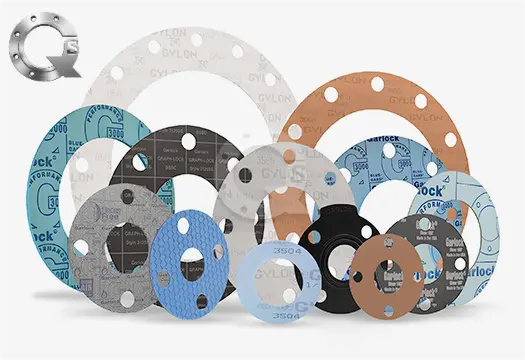
A Gasket ASME B16.21 is a fundamental component in industrial piping, specifically designed to create a reliable seal between non-metallic flat gaskets and pipe flanges. While the gasket itself is relatively simple in construction—typically consisting of compressed non-asbestos fiber, rubber, or PTFE—its performance is entirely dependent on how well it mates with the flange. In the complex ecosystem of piping systems, the flange standards (ASME B16.5 and ASME B16.47) dictate the dimensions, pressure classes, and facing types that the gasket must accommodate. A mismatch in these standards can lead to immediate leaks, flange damage, or safety hazards. This technical guide explores the critical compatibility factors between the gasket standard and the flange standards to ensure optimal sealing integrity.
Understanding the Scope of ASME B16.21
ASME B16.21 covers the types, sizes, materials, dimensions, dimensional tolerances, and markings for non-metallic flat gaskets. Unlike spiral wound gaskets (covered by ASME B16.20), which have metal windings for reinforcement, the gaskets under B16.21 are entirely non-metallic. They are generally used in low-pressure applications (Class 150 and Class 300) and moderate temperatures.
The standard primarily defines two types of gaskets based on their geometry relative to the bolt holes:
· Full Face: The gasket extends to the full outer diameter of the flange, with holes cut for the bolts.
· Inside Bolt Circle (IBC): Also known as Ring gaskets, these fit inside the circle formed by the bolt holes.
Because these gaskets rely solely on the compressibility of the fiber material to fill flange imperfections, the dimensional match with the flange faces defined in ASME B16.5 and B16.47 is non-negotiable.
The Interplay with ASME B16.5 Flanges
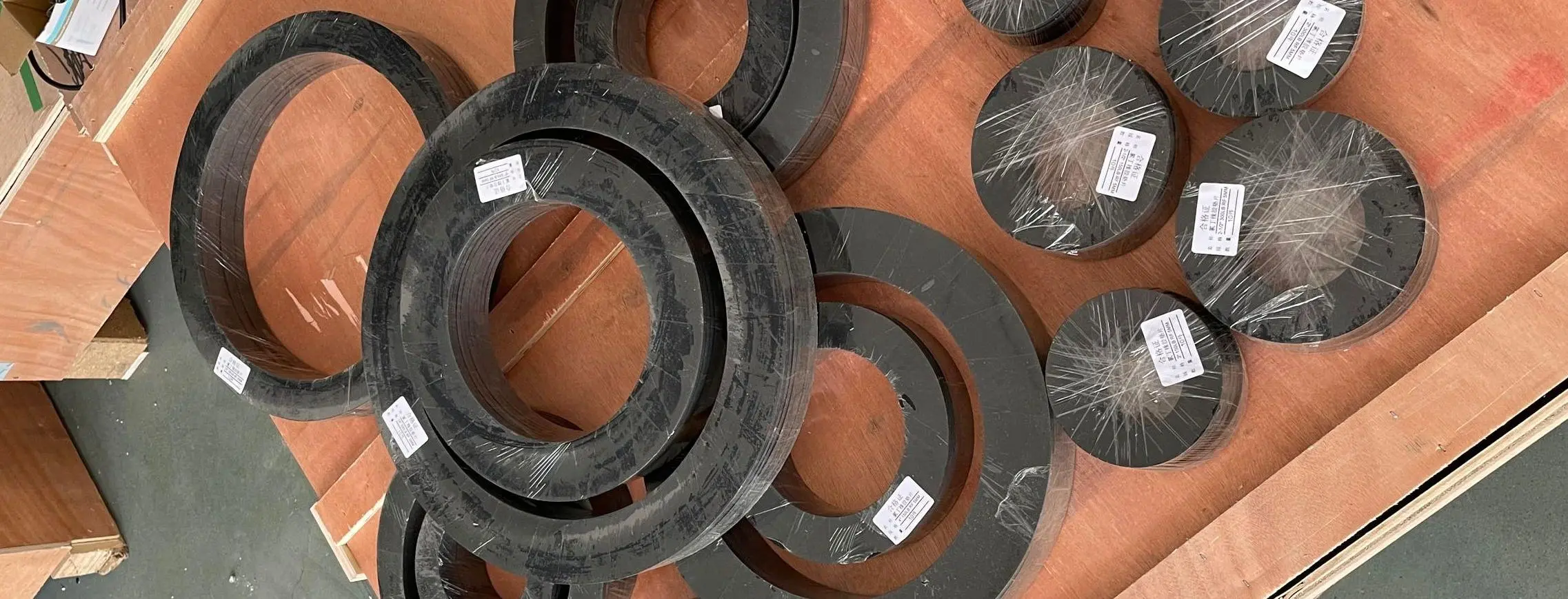
ASME B16.5 is the standard for pipe flanges and flanged fittings, covering sizes NPS 1/2 through NPS 24. When specifying a Gasket ASME B16.21, the vast majority of applications will involve mating with a B16.5 flange.
Flat Face (FF) Flanges
The Flat Face flange is the most common mating surface for full-face non-metallic gaskets. In this configuration, the gasket covers the entire face of the flange.
· Compatibility: ASME B16.21 full-face gaskets are dimensioned to match the outside diameter (OD) and bolt circle of ASME B16.5 Flat Face flanges.
· Application: These are typically used in cast iron, bronze, and plastic flanged systems where the flange material is too brittle to withstand the bending moments caused by a raised face connection.
· Caution: If you use a full-face gasket on a Flat Face flange, the gasket thickness (usually 1.6mm or 3.2mm) becomes part of the bolt load calculation.
Raised Face (RF) Flanges
ASME B16.5 Raised Face flanges have a raised portion (typically 1/16" for Class 150/300) where the gasket sits.
· The Compatibility Challenge: While ASME B16.21 provides dimensions for IBC (Ring) gaskets that fit inside the bolt circle of an RF flange, full-face gaskets should never be used on Raised Face flanges unless the raised face is machined off (facing down to Flat Face).
· Why? If you place a full-face gasket over a Raised Face flange, the metal raised face will cut into the soft gasket material outside the bolt circle, or the flanges will not come together properly, leaving a gap that compromises the seal.
· Solution: For standard ASME B16.5 Raised Face flanges, use an Inside Bolt Circle (IBC) gasket conforming to ASME B16.21 dimensions, or switch to a spiral wound gasket (ASME B16.20) if the pressure/temperature exceeds the limits of the non-metallic material.
Navigating Large Diameter Piping with ASME B16.47
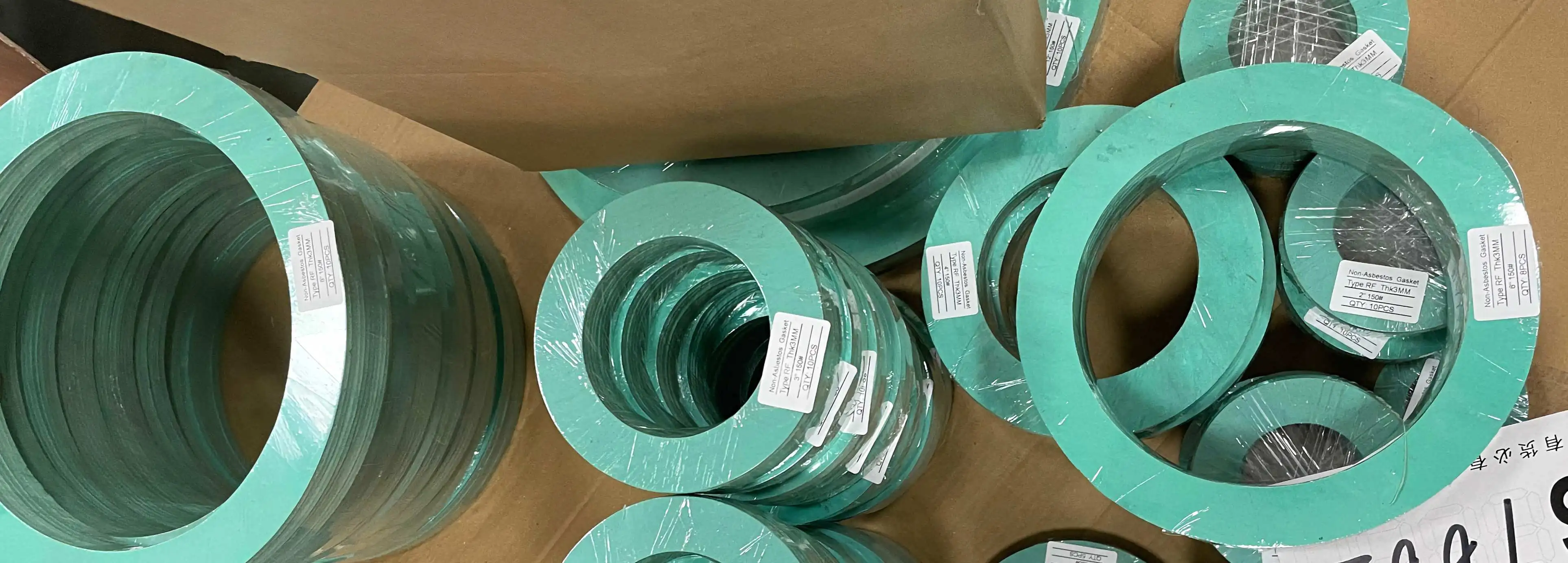
When piping systems exceed NPS 24, ASME B16.5 is no longer applicable, and the system moves to ASME B16.47. This standard is critical for water transmission, large-scale oil and gas pipelines, and infrastructure projects. ASME B16.47 is divided into two distinct series: Series A (MSS SP-44) and Series B (API 605).
The Series A vs. Series B Trap
One of the most common errors in procurement is assuming all large-diameter flanges are the same. They are not.
· Series A (MSS SP-44): These flanges typically have a larger outside diameter and a different bolt circle compared to Series B. They are generally heavier and designed for high-stress applications.
· Series B (API 605): These flanges are lighter and have different drilling dimensions.
Gasket Implications
A Gasket ASME B16.21 manufactured for an NPS 30 Series A flange will not fit an NPS 30 Series B flange. The bolt holes will not align, and the outer diameter will likely be incorrect.
· Ordering Protocol: When ordering non-metallic gaskets for large diameters (NPS 26 and above), it is insufficient to simply state "ASME B16.21." The purchase order must explicitly state "ASME B16.21 for ASME B16.47 Series A" or "Series B."
· Dimension Check: Always verify the Inside Diameter (ID), Outside Diameter (OD), and Bolt Circle Diameter (BC) against the specific flange series being used.
Material Considerations for Flange Compatibility
While dimensions ensure the gasket fits the bolt holes, the material ensures it survives the environment. ASME B16.21 allows for various materials, but the choice must align with the flange's intended service.
· Compressed Non-Asbestos Fiber (CNAF): The industry standard for general service (water, air, steam, oil). It offers a good balance of compressibility and recovery.
· Rubber (NBR, EPDM, Neoprene): Used for lower pressure applications requiring high elasticity. EPDM is excellent for hot water and steam, while NBR is preferred for hydrocarbons.
· PTFE (Teflon): Used for highly corrosive chemical services. PTFE gaskets are often used with glass-lined flanges or exotic alloy flanges where chemical purity is paramount.
Galvanic Corrosion Warning: When using full-face gaskets (which cover the flange face and the bolts), ensure the gasket material does not trap moisture against carbon steel flanges in a way that accelerates corrosion, especially if the gasket contains graphite (though graphite is less common in pure B16.21 gaskets, it can be a filler).
Installation Best Practices for B16.21 Gaskets
Even with the correct Gasket ASME B16.21 and matching flanges, improper installation can cause failure.
1. Flange Alignment: Ensure flanges are parallel and aligned. Non-metallic gaskets have limited ability to fill large gaps caused by misalignment.
2. Surface Finish:
o For Flat Face flanges, a serrated spiral finish is common.
o For Raised Face flanges using IBC gaskets, a phonographic (record groove) or stock finish (125-250 microinch Ra) is standard.
o Avoid using non-metallic gaskets on flanges with a "smooth finish" (less than 63 microinch Ra) as the gasket may squeeze out (blow out) under pressure.
3. Lubrication: Always lubricate bolt threads and nut bearing surfaces to ensure accurate bolt load.
4. Torque Sequence: Use a star (criss-cross) pattern to tighten bolts. This ensures the Gasket ASME B16.21 is compressed evenly. Uneven compression can warp the flange or cut the gasket.
5. Re-torquing: Non-metallic gaskets are subject to "creep relaxation." It is often necessary to re-torque the bolts after the system has been heated and cooled to operating temperature.
FAQs
Q: Can I use a Full Face Gasket on a Raised Face Flange?
A: No. You should not use a full-face gasket on a Raised Face (RF) flange. The raised face will interfere with the gasket seating. You should either machine the flange face flat or use an Inside Bolt Circle (Ring) gasket that fits within the raised face area.
Q: What is the maximum pressure rating for an ASME B16.21 gasket?
A: ASME B16.21 gaskets are typically used in Class 150 and Class 300 piping systems. While the material itself might withstand higher pressures, the lack of metal reinforcement limits their use in high-pressure classes (Class 600 and above), where spiral wound or ring joint gaskets are required.
Q: How do I distinguish between ASME B16.47 Series A and Series B gaskets?
A: The primary difference lies in the dimensions. Series A gaskets generally have a larger Outside Diameter (OD) and a different bolt circle diameter compared to Series B for the same NPS. Always check the flange drawing or standard tables before ordering.
Q: Are ASME B16.21 gaskets suitable for high temperatures?
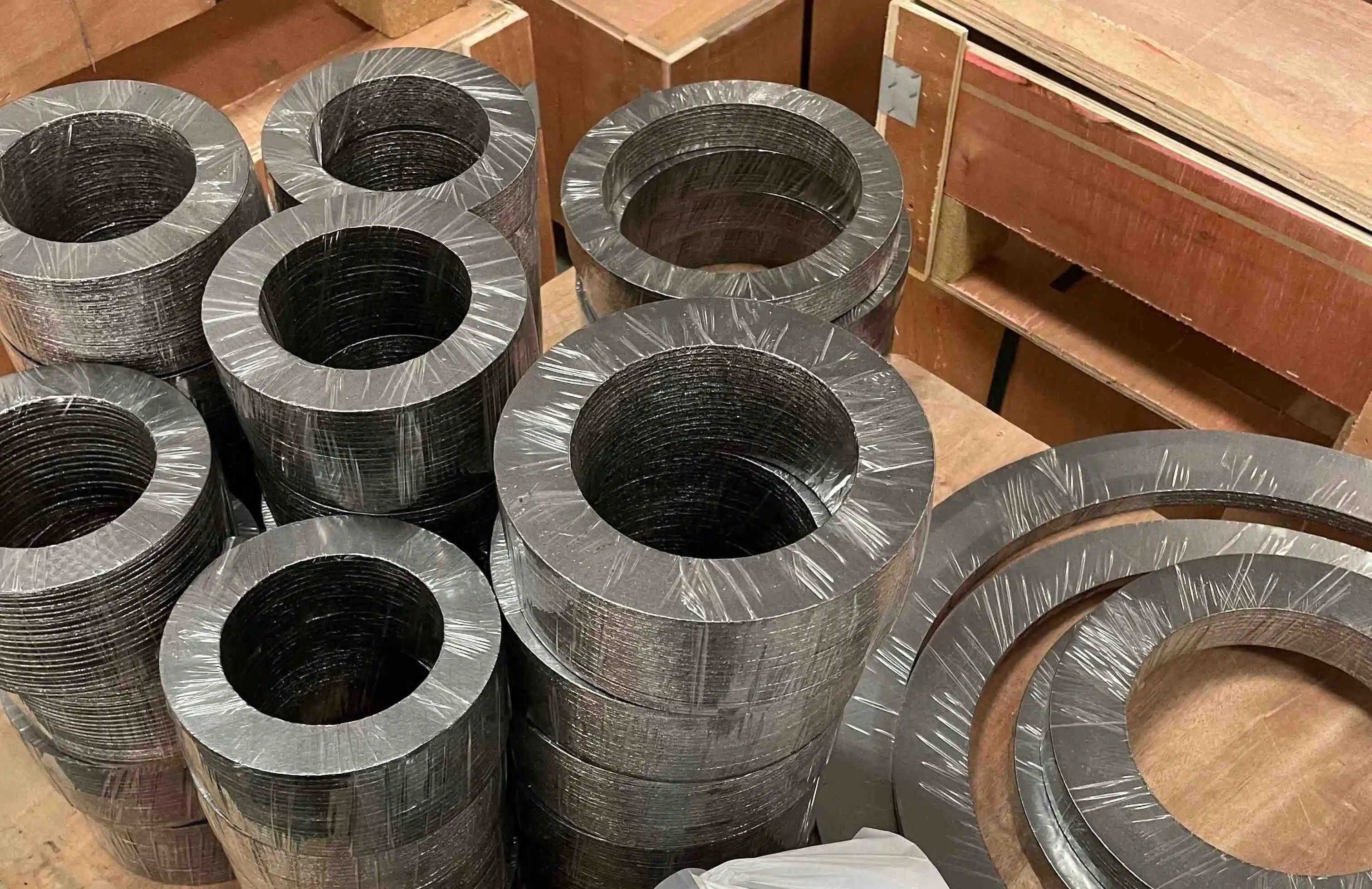
A: It depends on the binder and fiber material. Standard CNAF gaskets are usually good up to roughly 250°C - 300°C. For higher temperatures, graphite-based gaskets (often covered under ASME B16.20) or specialized high-temp non-metallics are required.
Contact QinSteel for Expert Gasket ASME B16.21 Solutions
Ensuring the perfect match between your flanges and gaskets is critical for operational safety. At QinSteel, we specialize in providing high-quality sealing solutions tailored to your specific piping requirements. Whether you need standard Full Face gaskets for ASME B16.5 Class 150 flanges or precise Ring gaskets for large diameter ASME B16.47 Series A/B applications, we have the inventory and expertise to deliver.
Don't risk leaks with incompatible dimensions. Contact our technical sales team today for a quote or consultation.
Email: info@sxqinsteel.com
References
· ASME B16.21: Nonmetallic Flat Gaskets for Pipe Flanges
· ASME B16.5: Pipe Flanges and Flanged Fittings
· ASME B16.47: Large Diameter Steel Flanges
· MSS SP-44: Steel Pipeline Flanges
· API 605: Large-Diameter Carbon Steel Flanges
Learn about our latest products and discounts through SMS or email